Breaking: AI Quietly Reshaping Filmmaker Workflows – Not Replacing Jobs
The real impact of artificial intelligence on Hollywood isn't about deepfakes or synthetic actors. Instead, AI is quietly taking over tedious behind-the-scenes tasks for directors and cinematographers, according to industry experts.
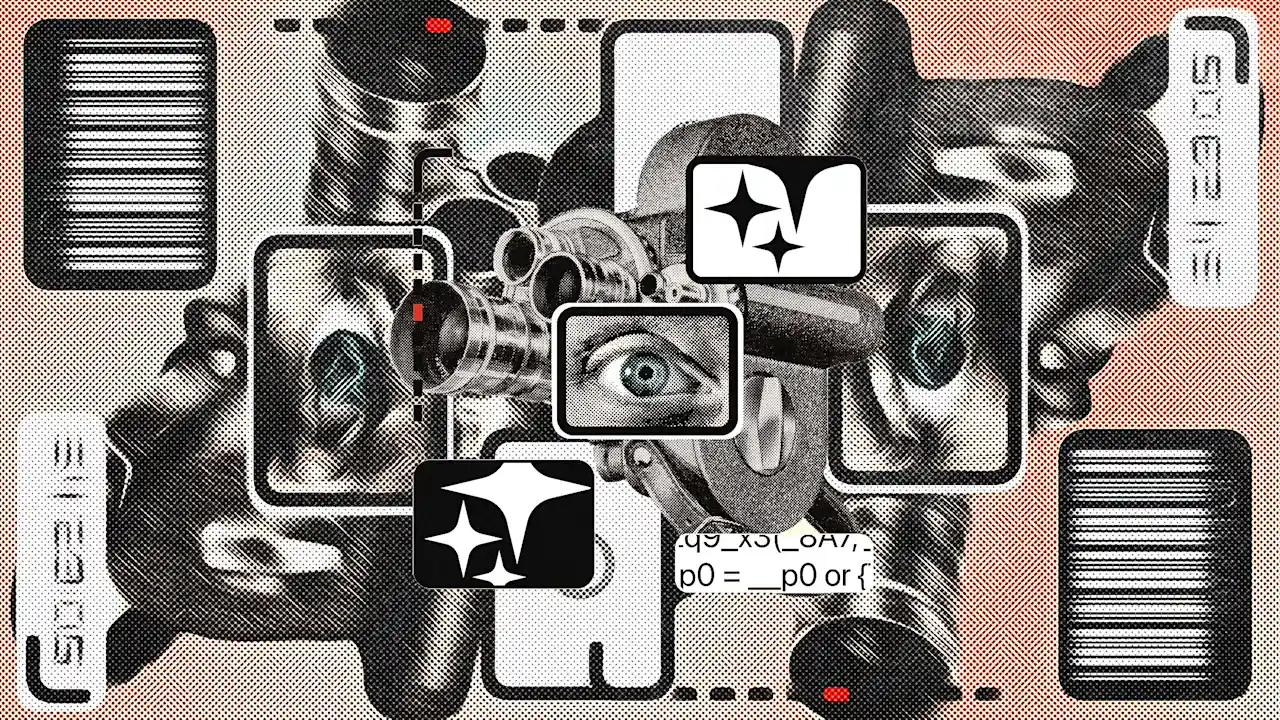
While tools like Google's Veo3, Pika Labs, and Kling AI generate photorealistic clips (OpenAI's Sora 2 was shut down in March), freelance filmmakers are seeing the biggest gains in pre-production planning—not on-screen.
Panic Overblown: AI as a Tool, Not a Replacement
Michael Goi, former president of the American Society of Cinematographers (ASC) and co-chair of its AI committee, emphasized that early fears of job replacement were exaggerated. “There was this blanket fear that AI would completely replace jobs,” he said. “That fear has been overblown.”
At an ASC seminar last year, Goi demonstrated the biggest hurdle: consistency. Working with Oscar-nominated cinematographer Caleb Deschanel and AI creator Ellenor Argyropoulos, the team struggled to generate a specific shot. “Caleb had a very clear vision, and it was a struggle to even get close,” Goi recalled.
Short-Form Frontier: Where AI Excels
AI video tools remain limited to short clips—typically up to two minutes in 4K quality. This suits the booming vertical series market. Goi, who now works on such content, often tests new video-generation models before public release.
A striking example is the TikTok account @ai.cinema021 with its AI-generated microdrama 'Fruit Love Island.' It became the platform’s fastest-growing account ever, gaining 3 million followers in nine days and 300 million views before being flagged for low quality. Each two-minute episode reportedly took three hours to produce using text-to-script tools like Object Talk fed into an AI video generator.
Streamlining Storyboards: AI in Pre-Production
While fully AI-generated feature films remain distant, filmmakers routinely use tools like Midjourney and Runway for storyboards and visual references. Rob Berry, a freelance cinematographer for clients like Bergdorf Goodman and Nordstrom, recalled his first encounter with AI-generated storyboards as transformative.
Berry noted that AI helps quickly iterate visual ideas, saving hours of manual sketching. This allows directors and cinematographers to focus on creative decisions rather than administrative grind.
Background
Artificial intelligence in filmmaking initially sparked widespread panic about job loss. In 2023–2024, tools like OpenAI's Sora, Google's Veo3, and others demonstrated stunning video generation, deepening fears. However, industry leaders like the ASC formed AI committees to assess practical applications.
Key barriers emerged: AI struggles with consistency across scenes and character continuity, making it unreliable for narrative features. Instead, adoption has surged in short-form vertical content—a fast-growing segment where rapid production cycles benefit from AI assistance.
What This Means
For freelance cinematographers, the shift is pragmatic: AI handles tedious planning and storyboarding, freeing talent for artistic work. “It’s not about replacing us—it’s about giving us better tools,” Goi said. The near-term future sees AI as a collaborator, not a replacement.
Long-term, as AI improves consistency, it may reshape how films are pre-visualized. But for now, the biggest changes are invisible to audiences—quietly streamlining the filmmaker’s workflow.