SpaceX is on a monumental quest to expand the launch footprint of its Starship megarocket beyond the familiar terrains of South Texas. The company has officially confirmed it is constantly exploring options for liftoff sites both within the United States and across foreign shores. This strategic move isn't just about logistics; it's about unlocking the full potential of the world's most powerful rocket. From regulatory hurdles to environmental concerns, the journey to find new launch pads is filled with challenges and opportunities. Here are seven critical things you need to understand about SpaceX's global search.
1. The Strategic Necessity Behind the Search
SpaceX's current Starship launch site in Boca Chica, Texas, has proven its worth but also its limitations. With a rocket that aims to take humanity to the Moon and Mars, relying on a single launch pad is risky.
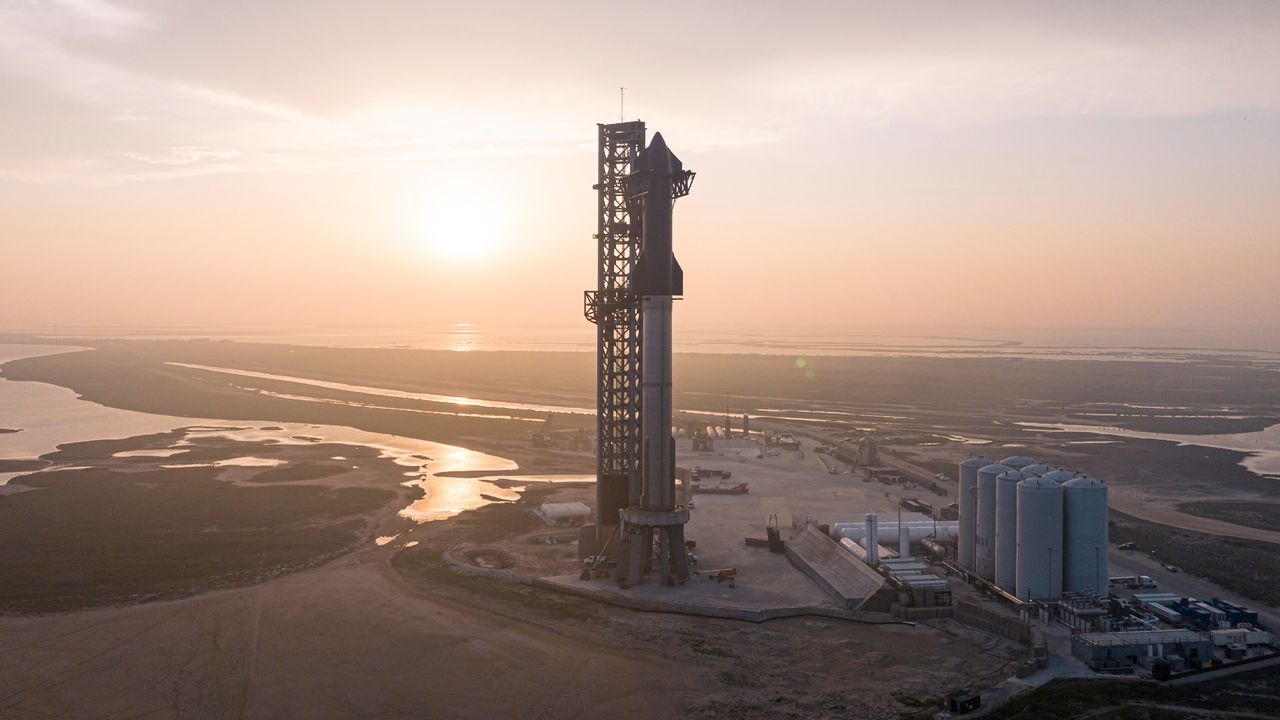
Weather delays, regulatory shutdowns, or accidents could ground the entire program. By scouting additional sites around the world, SpaceX ensures redundancy and flexibility. Launching from foreign shores also offers unique orbital trajectories that might be more efficient for certain missions, like polar orbits or deep-space departures. This isn't just a backup plan; it's a proactive step to optimize launch operations and meet the demands of an ambitious flight schedule.
2. Potential International Hotspots
SpaceX has not named specific countries, but industry insiders point to several promising regions.
Australia's vast, remote coastline offers minimal air and sea traffic, ideal for heavy rocket launches. Countries near the equator, like Brazil or Kenya, provide a natural boost from Earth's rotation, saving fuel and increasing payload capacity. Norway and Sweden have also emerged as contenders, thanks to their northern latitudes that enable polar and Sun-synchronous orbits. Each location brings a unique set of advantages, but also complex negotiations on land rights, safety zones, and environmental impact.
3. Regulatory and Compliance Challenges
Launching a rocket from foreign soil isn't as simple as signing a lease. SpaceX must navigate a web of international treaties, export controls, and local laws.
The Missile Technology Control Regime (MTCR) imposes strict rules on sharing launch technology. Host countries demand assurances on safety, liability, and potential debris fallout. Environmental impact assessments are mandatory, often taking years to complete. SpaceX's legal team will be working overtime to draft agreements that satisfy both U.S. and foreign regulators. Any misstep could delay the program or trigger diplomatic friction.
4. Environmental Considerations at Candidate Sites
Starship's massive size and powerful cryogenic engines produce significant noise, exhaust, and potential for ground vibrations.
Environmental groups have already raised concerns about wildlife disruption, especially in ecologically sensitive coastal areas. For example, launch pads near seabird colonies or marine sanctuaries would face fierce opposition. SpaceX must conduct thorough environmental reviews and adopt mitigation measures, such as noise barriers, launch windows that avoid breeding seasons, and clean propellant handling. Failure to address these issues could lead to lawsuits or permit denials, as seen with some U.S. sites.
5. Infrastructure and Supply Chain Logistics
A new launch site isn't just a concrete pad; it requires a complex supply chain for fuel, parts, and personnel.
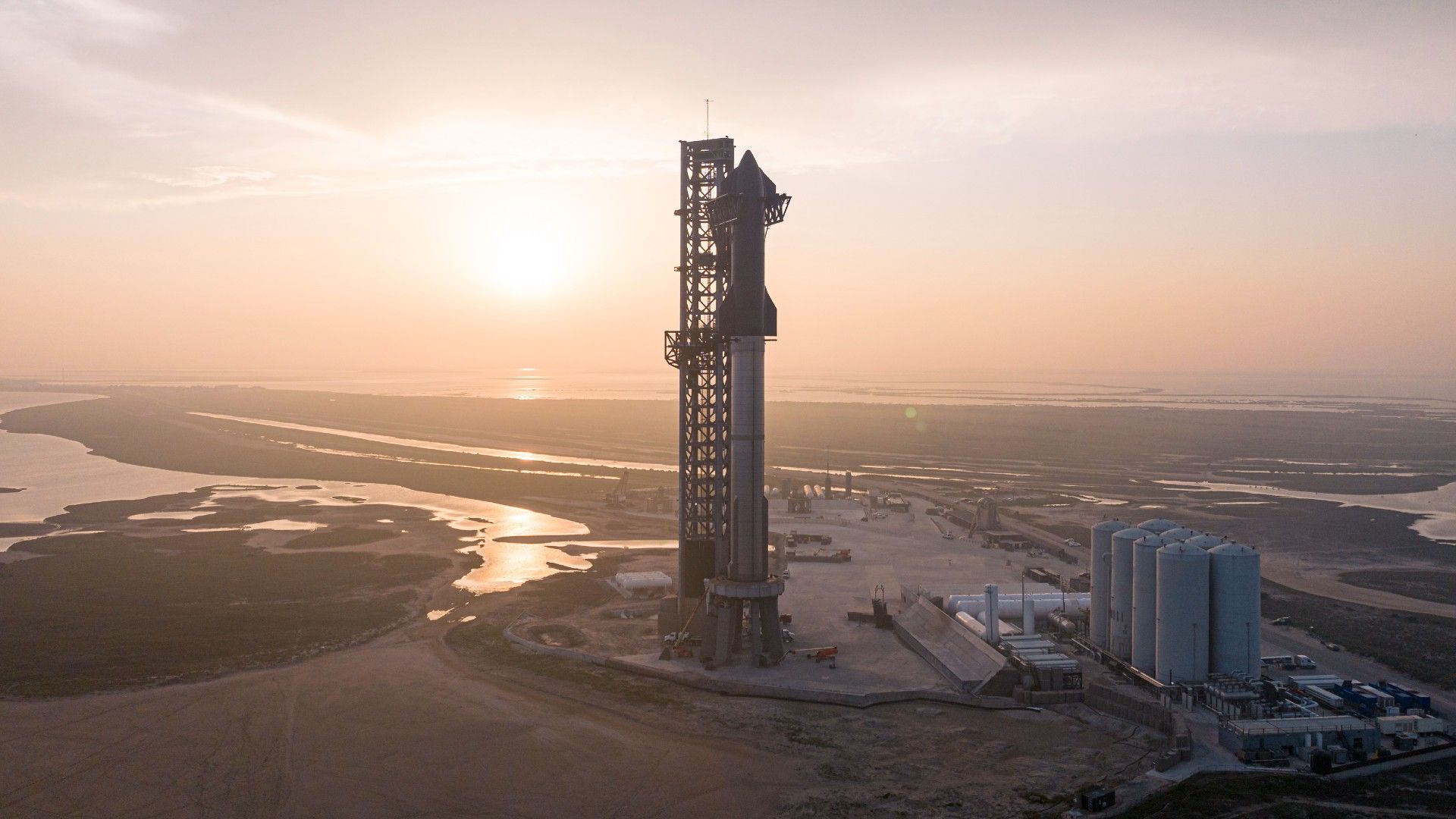
Starship runs on liquid methane and liquid oxygen, which need cryogenic storage facilities and constant replenishment. Building these from scratch in a remote foreign location demands massive investment. Additionally, SpaceX needs to transport rocket stages from its production facilities in California and Texas, often by sea or air. Port access, highways, and local labor skills become critical factors. Some countries may offer subsidies or tax breaks to attract such infrastructure, while others lack the necessary industrial base.
6. Impact on SpaceX's Launch Cadence and Competitors
Multiple launch sites could dramatically increase the rate of Starship flights, from a few per year to potentially dozens.
This would put pressure on competitors like Blue Origin's New Glenn or ULA's Vulcan Centaur, which are still ramping up. Satellite operators and NASA missions would benefit from more launch slots and geographic flexibility. However, SpaceX must balance ambition with reliability; rushing site approvals could lead to operational failures. If successful, the global network of Starship pads could position SpaceX as the dominant launch provider for the next decade, reshaping the economics of space access.
7. Timeline and Next Steps
SpaceX has not provided a timeline, but early indications suggest exploratory studies are ongoing.
Formal proposals to foreign governments might emerge within the next 12 to 18 months. The first non-U.S. site could be operational by the late 2020s, coinciding with increased Starship production. In the meantime, SpaceX will continue to expand its existing Texas and Florida facilities. The company is also developing floating launch platforms, which could offer even more flexibility. Keep an eye on SpaceX's public statements and regulatory filings for the next big reveal.
In conclusion, SpaceX's quest to launch Starship from foreign shores is a natural evolution for a company with interplanetary goals. By diversifying launch locations, they mitigate risks, improve orbital efficiency, and foster global partnerships. The challenges are substantial—legal, environmental, and logistical—but the potential rewards are equally immense. Whether it's a spaceport in the Australian outback or a coastal pad in South America, each new site brings us one step closer to making life multiplanetary. Stay tuned; the next chapter of Starship's journey is being written across the globe.