Introduction
High cholesterol remains a leading contributor to cardiovascular disease worldwide. For decades, statins have been the cornerstone of treatment, effectively lowering low-density lipoprotein (LDL) cholesterol—the so-called “bad” cholesterol. However, not all patients tolerate statins, and some require additional reduction beyond what these drugs can achieve. Now, researchers have unveiled a novel approach that could reshape cholesterol management: tiny DNA-based molecules that target a key protein called PCSK9. In early trials, this therapy cuts LDL cholesterol by nearly 50%, offering a powerful new weapon in the fight against heart disease.
Understanding PCSK9 and Its Role in Cholesterol
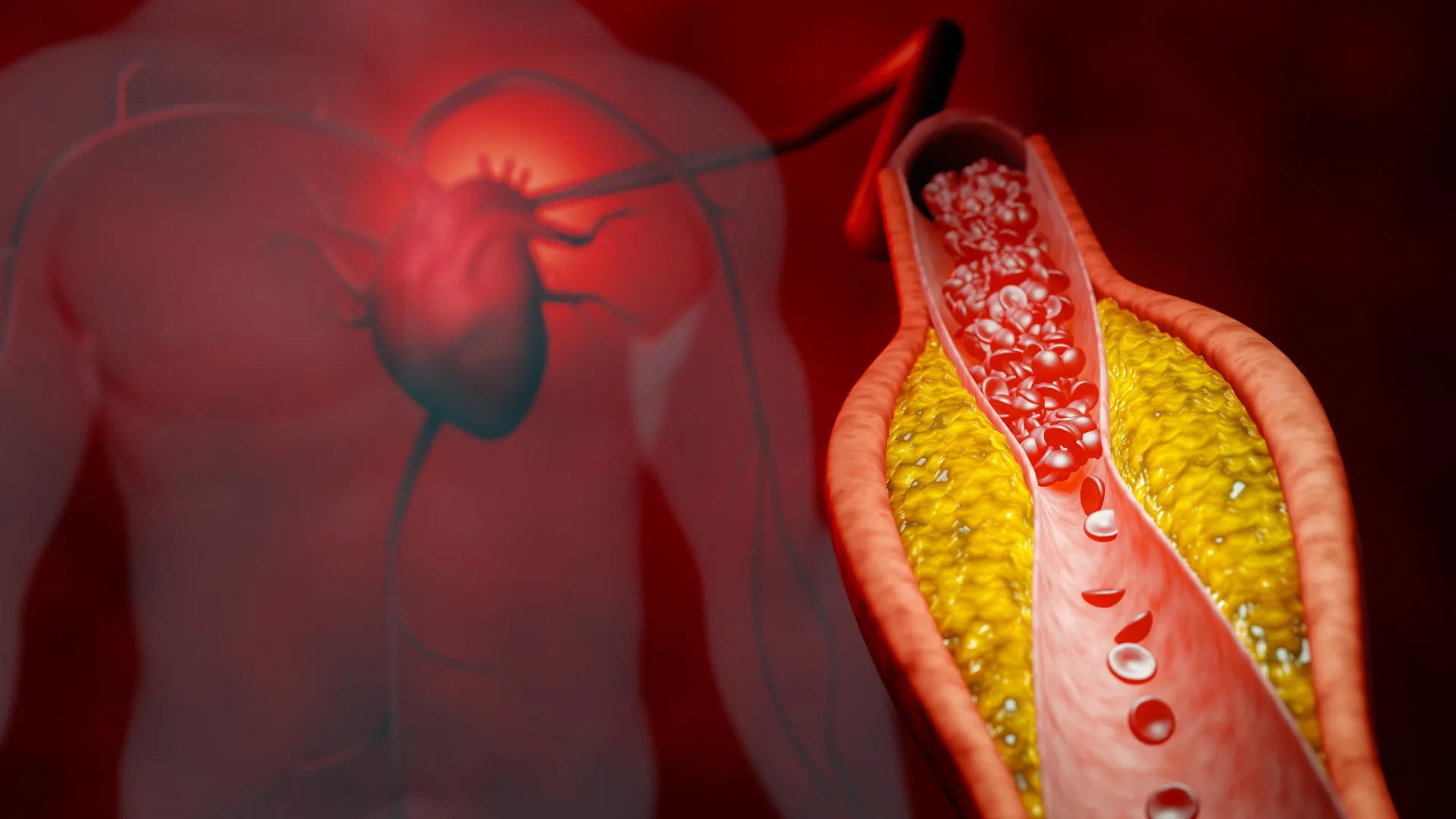
To appreciate the breakthrough, it helps to understand the biological machinery behind cholesterol regulation. PCSK9 (proprotein convertase subtilisin/kexin type 9) is a protein produced primarily in the liver. Its job is to bind to LDL receptors on the surface of liver cells and mark them for destruction. These receptors normally act like “vacuum cleaners,” pulling LDL cholesterol out of the bloodstream and into the liver for processing. When PCSK9 reduces the number of receptors, more LDL remains in circulation, where it can accumulate in artery walls and form plaques that lead to heart attacks and strokes.
By blocking PCSK9 activity, we can preserve more LDL receptors, allowing the liver to clear cholesterol more efficiently. This is exactly what the new treatment does—but through an entirely different mechanism than existing PCSK9 inhibitors, such as monoclonal antibodies.
The New Approach: DNA-Based Molecules
Instead of using antibodies that neutralize the PCSK9 protein directly, the experimental therapy employs short, synthetic DNA strands known as antisense oligonucleotides. These tiny molecules are designed to bind to the messenger RNA (mRNA) that carries the genetic instructions for making PCSK9. By attaching to this mRNA, the DNA-based molecules essentially “silence” the gene, preventing the production of the PCSK9 protein in the first place. This is a form of gene regulation that occurs at the RNA level, a technology that has gained traction in recent years for treating various genetic disorders.
The treatment is delivered via injection, and once inside liver cells, it works for weeks at a time. In clinical studies, patients receiving the therapy experienced an average reduction in LDL cholesterol of nearly 50% compared to placebo—a magnitude comparable to high-intensity statin therapy. Importantly, this effect occurred in individuals who were not taking statins, highlighting its potential as a standalone option for those who cannot tolerate statins or prefer an alternative.
How It Compares to Statins and Existing PCSK9 Inhibitors
Statins work by inhibiting HMG-CoA reductase, an enzyme the liver needs to produce cholesterol. They are effective and generally safe, but some patients experience muscle pain, liver enzyme elevations, or other side effects. For these individuals, alternative options have been limited. Monoclonal antibody drugs that block PCSK9 (e.g., evolocumab and alirocumab) have been available for about a decade, but they are expensive and require injections every two to four weeks. The new DNA-based therapy, by contrast, could potentially be manufactured at lower cost and may require less frequent dosing—perhaps once every few months—though more studies are needed to confirm durability.
Another key difference is the mechanism: antibodies neutralize existing PCSK9 proteins, while the DNA molecules prevent new proteins from being made. This upstream approach could lead to more sustained suppression of PCSK9 levels, translating to stable long-term cholesterol reduction.
Potential Benefits and Remaining Questions
The nearly 50% reduction in LDL cholesterol is striking, and early data suggest the therapy is well tolerated. Common side effects include mild injection-site reactions and transient flu-like symptoms, but no serious adverse events have been reported in Phase 2 trials. However, researchers caution that longer-term safety data are still needed, especially regarding effects on the liver and cardiovascular outcomes. Does lowering LDL this much without statins actually translate to fewer heart attacks and strokes? Large Phase 3 trials currently underway aim to answer that question.
If successful, the therapy could be a game-changer for the estimated 20-30% of high-risk patients who cannot achieve goal LDL levels with statins alone, or who develop intolerable side effects. It also offers an alternative for patients with familial hypercholesterolemia, a genetic condition that causes extremely high cholesterol from birth.
The Future of Cholesterol Management
This DNA-based approach is part of a broader shift toward personalized medicine. By targeting specific genetic pathways, therapies can be tailored to individual patient profiles. In the case of PCSK9, we now have multiple ways to intervene—statins, ezetimibe, monoclonal antibodies, and potentially these new antisense molecules. The choice of therapy may ultimately depend on patient preference, cost, side-effect profile, and genetic factors.
Researchers are also exploring whether combining this treatment with low-dose statins could produce additive or synergistic benefits, allowing patients to achieve very low LDL levels while minimizing statin-related side effects. The future may involve a menu of options, rather than a one-size-fits-all approach.
Conclusion
The development of DNA-based molecules that silence PCSK9 represents a significant step forward in cardiovascular medicine. By cutting bad cholesterol by nearly 50% without statins, this therapy offers hope to millions of people who struggle to manage their cholesterol. While more research is needed to confirm long-term safety and cardiovascular benefits, the early results are promising. As science continues to unlock the secrets of gene regulation, we may look back on this as a turning point in the fight against heart disease.