As the US tightens export controls on advanced semiconductors, China's drive for self-reliance in artificial intelligence hardware is accelerating. Huawei, once a leader in telecom and smartphones, is now emerging as a front-runner in the domestic AI chip race, potentially overtaking Nvidia by 2026. With Nvidia's H200 shipments stuck in regulatory limbo, Beijing is doubling down on homegrown alternatives. Industry analysts project China's AI chip market will surge to $67 billion by the end of the decade, creating both opportunities and challenges for local players and global rivals alike.
Why is Nvidia's H200 facing export delays to China?
The US government has imposed strict export controls on advanced AI chips to prevent their use in military or surveillance applications. Nvidia's H200, a high-performance GPU designed for AI workloads, falls under these restrictions. Customs delays and uncertainty over licensing approvals have stalled shipments. While Nvidia has developed lower-spec versions like the A800 and H800 to comply with regulations, even these are now under scrutiny. The ongoing trade tensions and geopolitical risks mean that companies like Huawei gain a strategic advantage as Chinese buyers seek reliable, domestic alternatives.
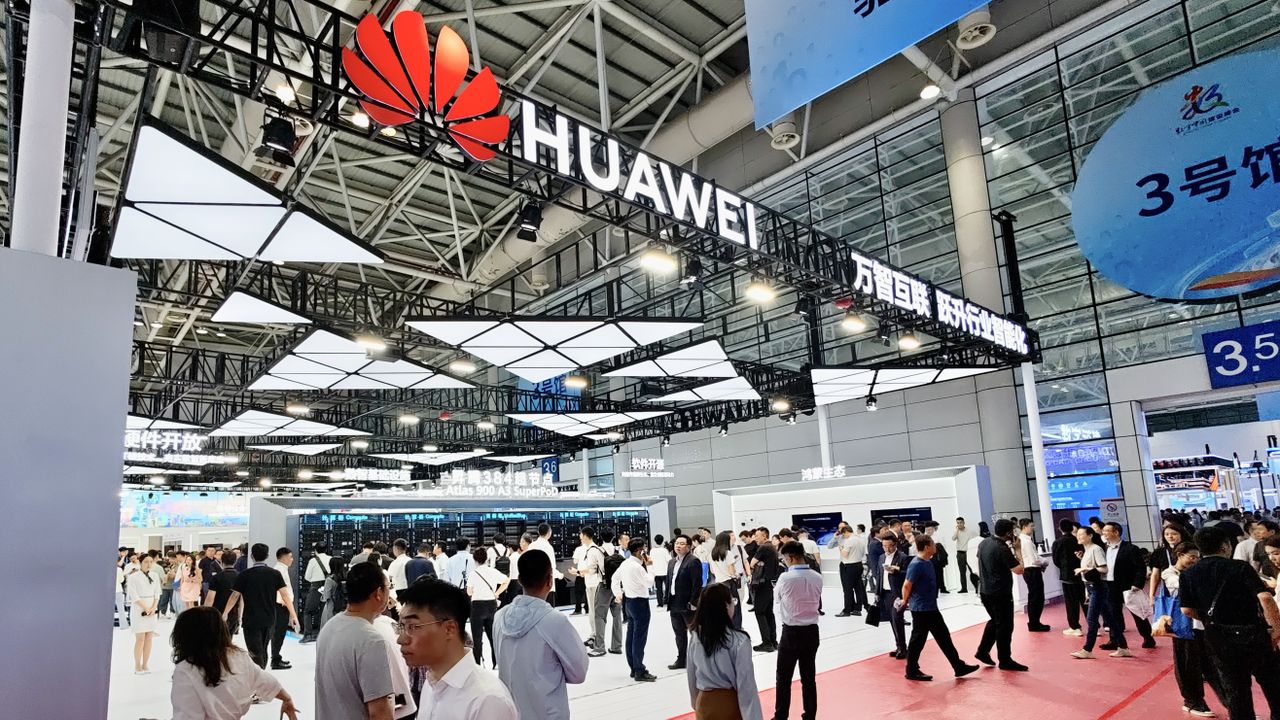
How is Huawei positioned to become China's top AI chip supplier?
Huawei has been investing heavily in its Ascend series of AI processors, which are designed to compete with Nvidia's offerings. With the backing of government policies promoting semiconductor independence, Huawei is ramping up production. The company's deep integration with China's massive cloud computing and 5G infrastructure gives it a ready market. Analysts predict that by 2026, Huawei could supply more AI chips to Chinese data centers than Nvidia, especially if export hurdles persist. Additionally, partnerships with local chipmakers help overcome some manufacturing challenges.
What is the projected size of China's AI chip market by 2030?
According to industry forecasts, China's domestic AI chip market is expected to reach approximately $67 billion by 2030. This growth is driven by expanding applications in autonomous driving, smart cities, healthcare, and industrial automation. The push for self-sufficiency means that a significant portion of this demand will be met by local suppliers. The overall semiconductor market in China is also on a growth trajectory, but AI chips represent a particularly strategic segment due to their role in next-generation technologies.
Why is Beijing pushing for homegrown AI hardware dominance?
The Chinese government views AI chips as critical for national security and economic competitiveness. Dependence on foreign suppliers like Nvidia creates vulnerabilities amid trade tensions. By fostering domestic alternatives, Beijing aims to ensure uninterrupted access to high-performance computing for its tech giants and defense sectors. This push is part of a broader Made in China 2025 strategy to reduce reliance on US technology. Subsidies, tax incentives, and state-funded research initiatives are all being used to accelerate local chip development and production.
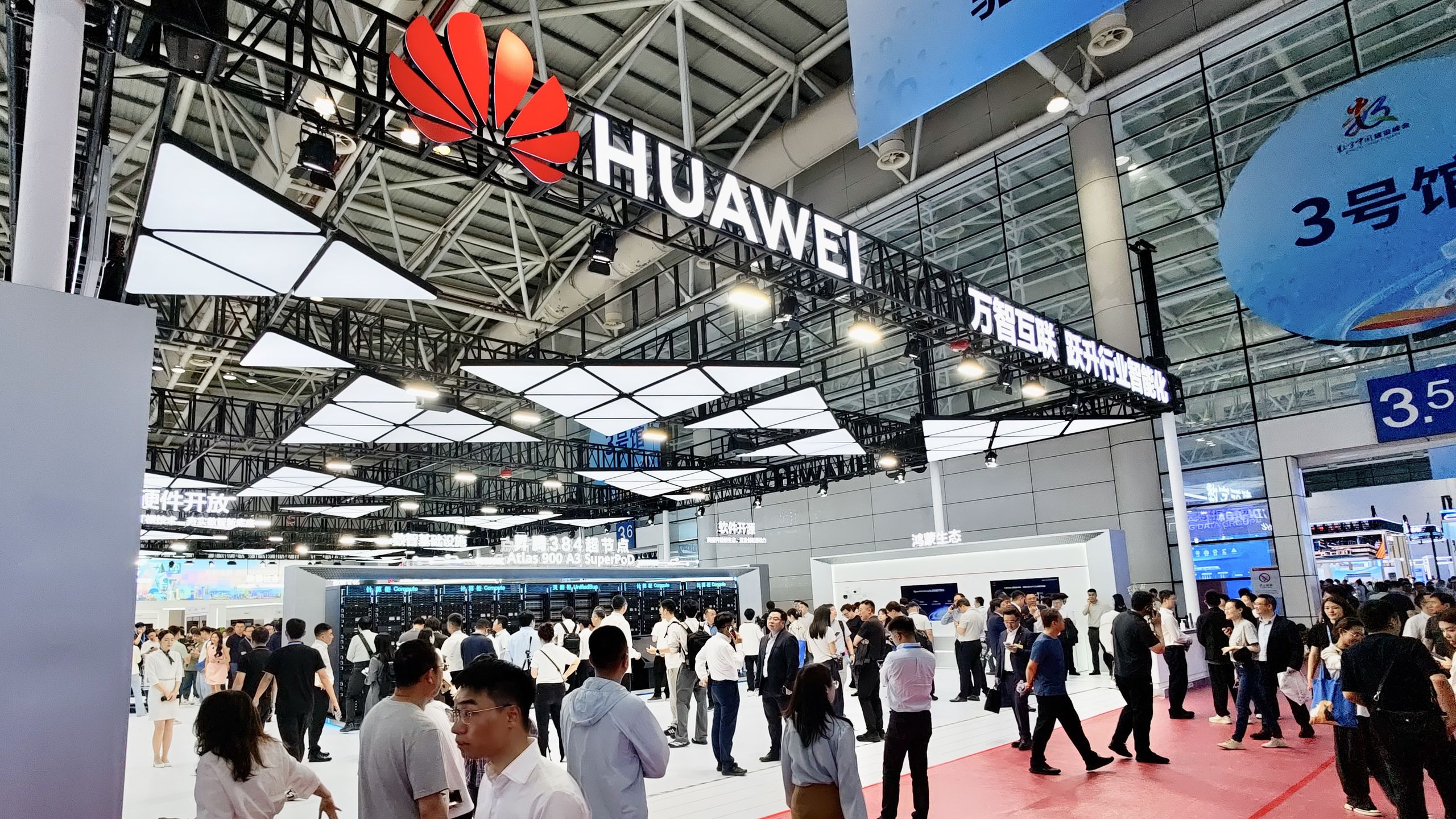
What challenges does Huawei face in dominating the AI chip market?
Despite its ambitions, Huawei still trails Nvidia in raw performance and software ecosystem. The company's Ascend chips, while capable, haven't yet matched the computational density or energy efficiency of Nvidia's latest offerings. Additionally, Huawei's chip production is constrained by US sanctions that limit its access to advanced fabrication technologies, such as extreme ultraviolet lithography. This forces Huawei to rely on older nodes, which may hinder scaling. Building a robust developer community and software stack similar to Nvidia's CUDA also takes time and significant investment.
How does this shift impact the global AI chip landscape?
Nvidia's potential loss of market share in China could reshape global supply chains. Chinese companies may become more insular, relying on domestic chips for AI workloads, which could fragment the global market. Meanwhile, US restrictions might prompt other countries to develop their own AI hardware to avoid dependence on either the US or China. This bifurcation could lead to higher costs and slower innovation worldwide. However, for Huawei, it opens a window to become a major player not just in China but also in other markets wary of US influence.
What role are local chipmakers playing in supporting Huawei?
Huawei is collaborating with Chinese foundries like Semiconductor Manufacturing International Corporation (SMIC) to produce its AI chips. Although SMIC is limited by older process nodes, it has made strides in 7nm and 5nm technology. This partnership helps Huawei bypass some US sanctions. Additionally, design houses and memory makers are aligning with Huawei to create an integrated domestic supply chain. Government-backed funds also support these joint ventures, reducing financial risks. The collective effort aims to close the gap with global leaders within a few years, though technological hurdles remain significant.