Introducing a New Era in Material Handling
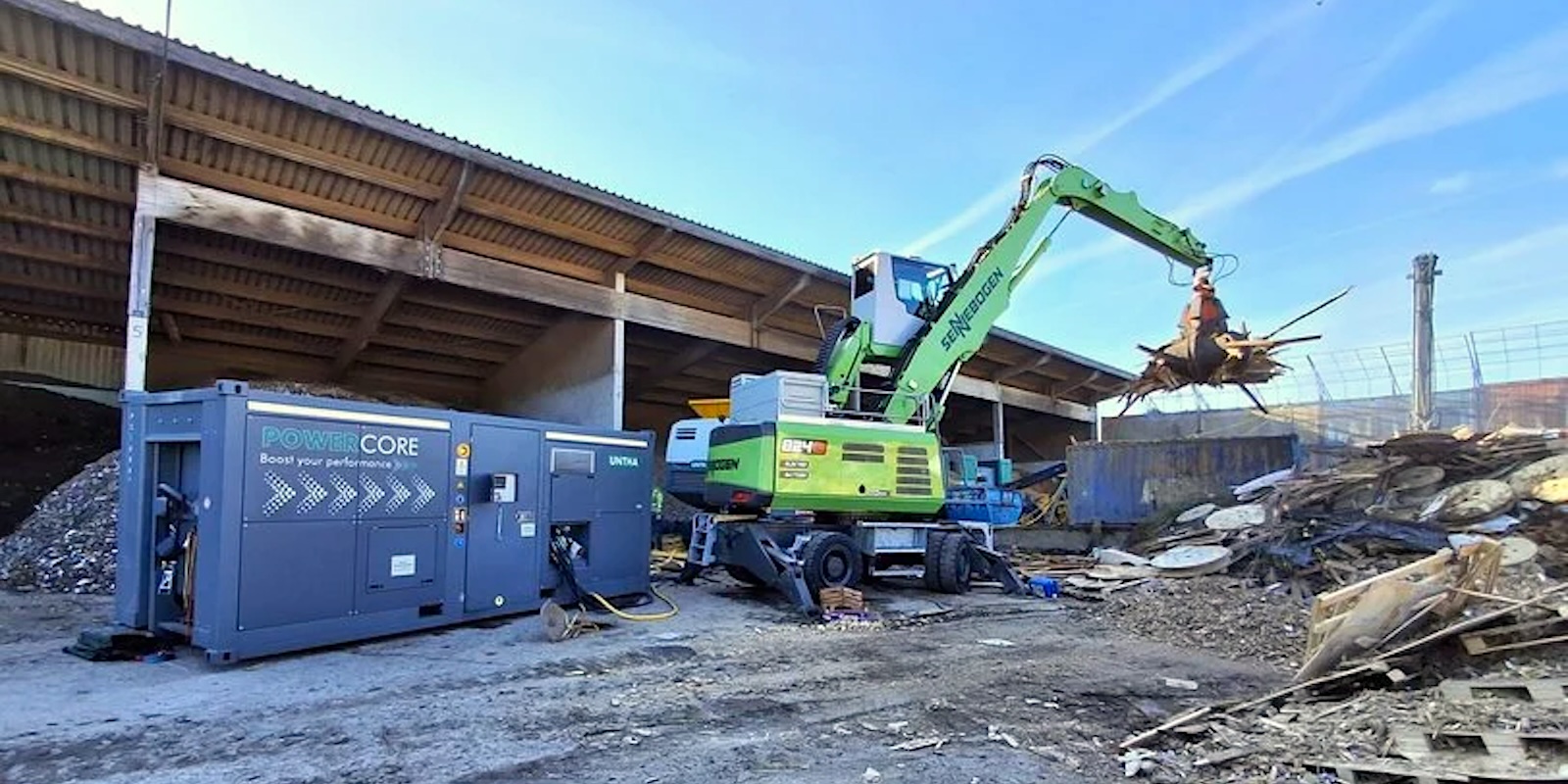
German engineering firm Sennebogen has taken a significant leap forward in sustainable industrial automation with the recent demonstration of a semi-autonomous material handling solution. Designed specifically for European recycling plants, this innovative system combines an electric wheeled excavator, a mobile battery unit, and a mobile shredder to boost throughput while reducing emissions and operator workload. The integration marks a pivotal step toward fully automated recycling workflows.
Core Components of the System
Electric Wheeled Excavator
At the heart of the solution is Sennebogen's electric wheeled excavator, a machine that leverages proven electrification technology to deliver zero-emission operation. Unlike traditional diesel-powered excavators, this model runs on a high-capacity battery pack, significantly lowering noise levels and eliminating exhaust fumes – a critical advantage for indoor recycling facilities where air quality and noise regulations are strict. The excavator's wheeled chassis provides excellent mobility across concrete and paved surfaces commonly found in recycling yards.
Mobile Battery Unit
The system includes a dedicated mobile battery unit that serves as a portable power station. This unit not only powers the excavator but can also supply energy to other electric equipment on site, such as conveyors or sorting machines. Its mobility allows operators to recharge the excavator quickly without being tethered to a fixed charging station, ensuring continuous operation even in remote parts of the facility.
Mobile Shredder Integration
To complete the material handling chain, Sennebogen integrated a mobile shredder into the workflow. The shredder processes scrap metal, wood, or construction waste directly at the source, reducing the need for multiple handling steps. By coordinating the excavator's loading movements with the shredder's feed rate, the system maximizes throughput and minimizes idle time.
How Autonomy Enhances Efficiency
The semi-autonomous operation is a key differentiator. Using advanced sensors, cameras, and machine learning algorithms, the excavator can perform repetitive tasks – such as picking up scrap metal and feeding it into the shredder – with minimal human intervention. An operator can supervise multiple machines from a central control room, intervening only when exceptions occur. This level of automation reduces labor costs, improves safety by keeping personnel away from hazardous zones, and allows for 24/7 operation without fatigue.
Real-World Impact on European Recycling Plants
Early demonstrations at European recycling facilities have shown impressive results. According to Sennebogen, the combined electric-autonomous solution can increase material throughput by up to 30% compared to conventional manual operation. The elimination of diesel fuel also leads to a 40% reduction in overall operating costs, while the quiet electric drivetrain enables night-shift work in residential areas without noise complaints.
Why This Matters for the Industry
The recycling sector is under growing pressure to improve efficiency and sustainability. With stricter emissions regulations across the EU and rising energy costs, electric autonomous equipment offers a compelling alternative. Sennebogen's solution is not just a proof-of-concept; it is designed for scalable deployment. The company plans to offer retrofit kits for existing excavators as well as complete new systems, making the transition accessible for a wide range of facilities.

Additional Benefits
- Reduced carbon footprint – Zero tailpipe emissions support corporate sustainability targets.
- Lower maintenance – Electric motors have fewer moving parts than diesel engines, reducing downtime.
- Enhanced precision – Autonomous control ensures consistent material placement, reducing waste.
- Operational flexibility – The mobile battery unit can be swapped out quickly, enabling multi-shift operation.
Comparison with Traditional Material Handlers
Traditional diesel-powered material handlers typically require constant operator attention and produce significant emissions. In contrast, Sennebogen's electric autonomous system offers a cleaner, smarter alternative. While the upfront cost is higher, the return on investment is realized through lower fuel and labor expenses over time. Furthermore, the autonomous features allow one operator to manage multiple machines, dramatically improving labor efficiency.
Internal Workflow Anchor Links
For more details on how the system integrates with existing recycling plant workflows, see Workflow Integration Tips.
Workflow Integration Tips
- Assess power infrastructure – Ensure the facility has sufficient electrical capacity to support the mobile battery unit's charging cycles.
- Train operators – While the system is semi-autonomous, staff need training on monitoring and intervention protocols.
- Optimize material flow – Position the shredder and battery unit to minimize travel distances for the excavator.
- Leverage data – Use the system's telemetry to track performance metrics and identify bottlenecks.
Conclusion
Sennebogen's electric, autonomous material handler represents a milestone in sustainable industrial automation for recycling plants. By combining an electric wheeled excavator with a mobile battery unit and integrated shredder, the system delivers higher throughput, lower costs, and a reduced environmental footprint. As European recycling facilities continue to modernize, this innovative solution offers a clear path forward – one that is both efficient and eco-friendly.