The announcement of The Mandalorian and Grogu as a theatrical release has sparked debate among Star Wars fans. Many argue that this transition from beloved Disney+ series to big-screen film undermines what made the show special. Below, we explore the key reasons why this move may be a misstep—and why the story arguably didn't need to continue on the big screen at all.
1. Why is the theatrical release of The Mandalorian and Grogu considered a bad idea?
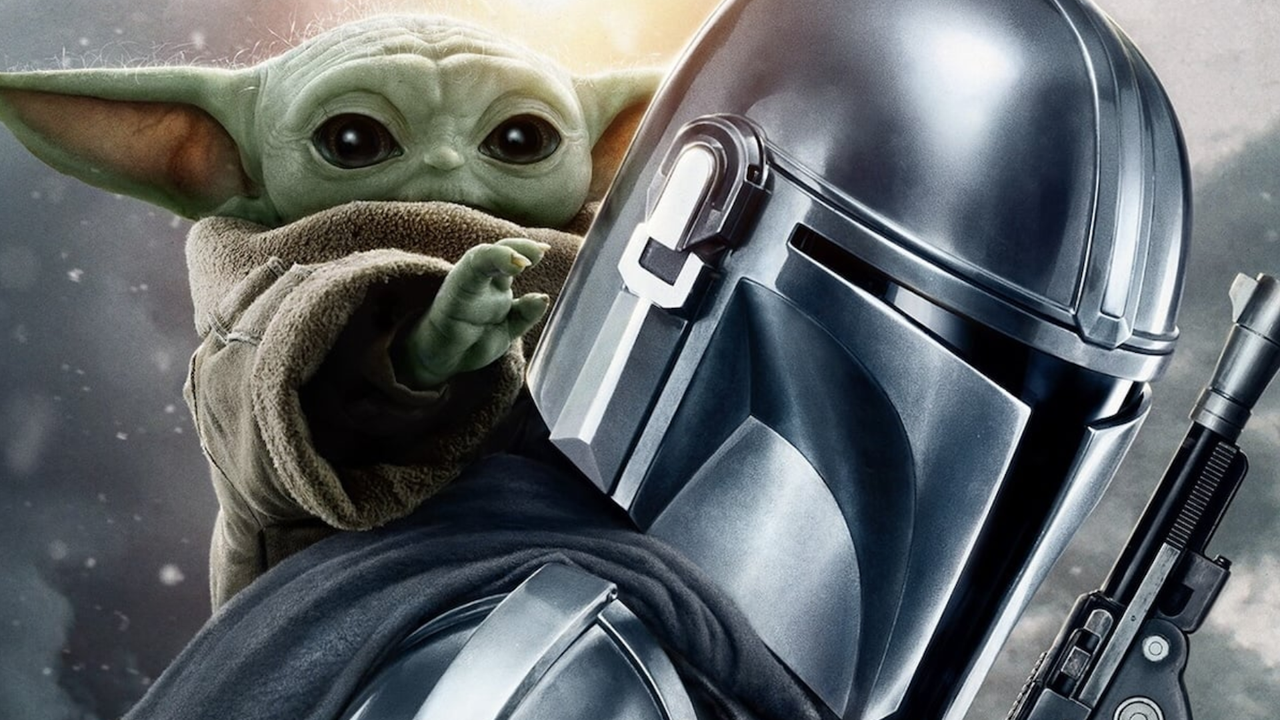
The core appeal of The Mandalorian was its intimate, episodic storytelling. Each chapter felt like a standalone adventure, focusing on character development and small-scale conflicts. Shifting to a theatrical format forces a compressed, high-stakes narrative that loses the slow-burn charm. The show thrived on weekly cliffhangers and the sense of discovery over time. A single film, by contrast, must deliver a complete arc in two hours, sacrificing the nuanced world-building that fans loved. Additionally, the serialized nature allowed for deeper exploration of secondary characters, which a movie likely cannot replicate. As discussed in the next question, this change also affects the relationship between the franchise and its audience.
2. How does a theatrical release change the audience's connection to the story?
With the TV series, viewers built a personal, week-by-week bond with Din Djarin and Grogu. This ritual—watching at home, discussing between episodes—created a communal experience that felt organic. In theaters, the story becomes a one-time event, pressured to satisfy broad demographic expectations. The intimacy is lost; the audience is passive rather than participatory. Moreover, the show’s success was partly due to its accessibility on a streaming platform, allowing fans to rewatch or catch up easily. A theatrical release demands a higher barrier: cost, travel, and schedule coordination. This risks alienating the very community that nurtured the series. Consequently, the emotional resonance might feel hollow compared to the TV journey.
3. Could The Mandalorian and Grogu damage the legacy of the original series?
Absolutely. The original series ended on a note of completion: Din Djarin had found purpose, and Grogu had a home. Forcing another chapter risks retroactively diminishing that closure. Worse, a mediocre film could taint the memory of the show. Many fans worry that the movie may prioritize fan service and spectacle over character growth, a common pitfall when beloved TV properties are adapted for cinema. If the film fails critically or commercially, it could overshadow the excellent seasons that came before. The Star Wars franchise already has a checkered history with theatrical releases; adding an unnecessary sequel to a concluded story feels like a gamble. As noted in the question on narrative necessity, this may be a case of overextending a good thing.
4. Was The Mandalorian and Grogu even necessary from a storytelling perspective?
Many argue it wasn't. The series ended with Din Djarin’s character arc fully realized: he evolved from a lone bounty hunter to a father figure. Grogu’s training with Luke Skywalker was left ambiguous—an open door that didn't need to be walked through. A movie that continues their adventures feels like a cash grab rather than a creative necessity. The show already explored the core themes of found family and honor. What more can a film add without repeating beats? Some suggest the real motive is to launch a new Star Wars cinematic era, but that shouldn't come at the cost of integrity. If the story was concluded, then reviving it risks contradicting the original's emotional payoff.
5. How might this decision affect the future of the Star Wars franchise on streaming?
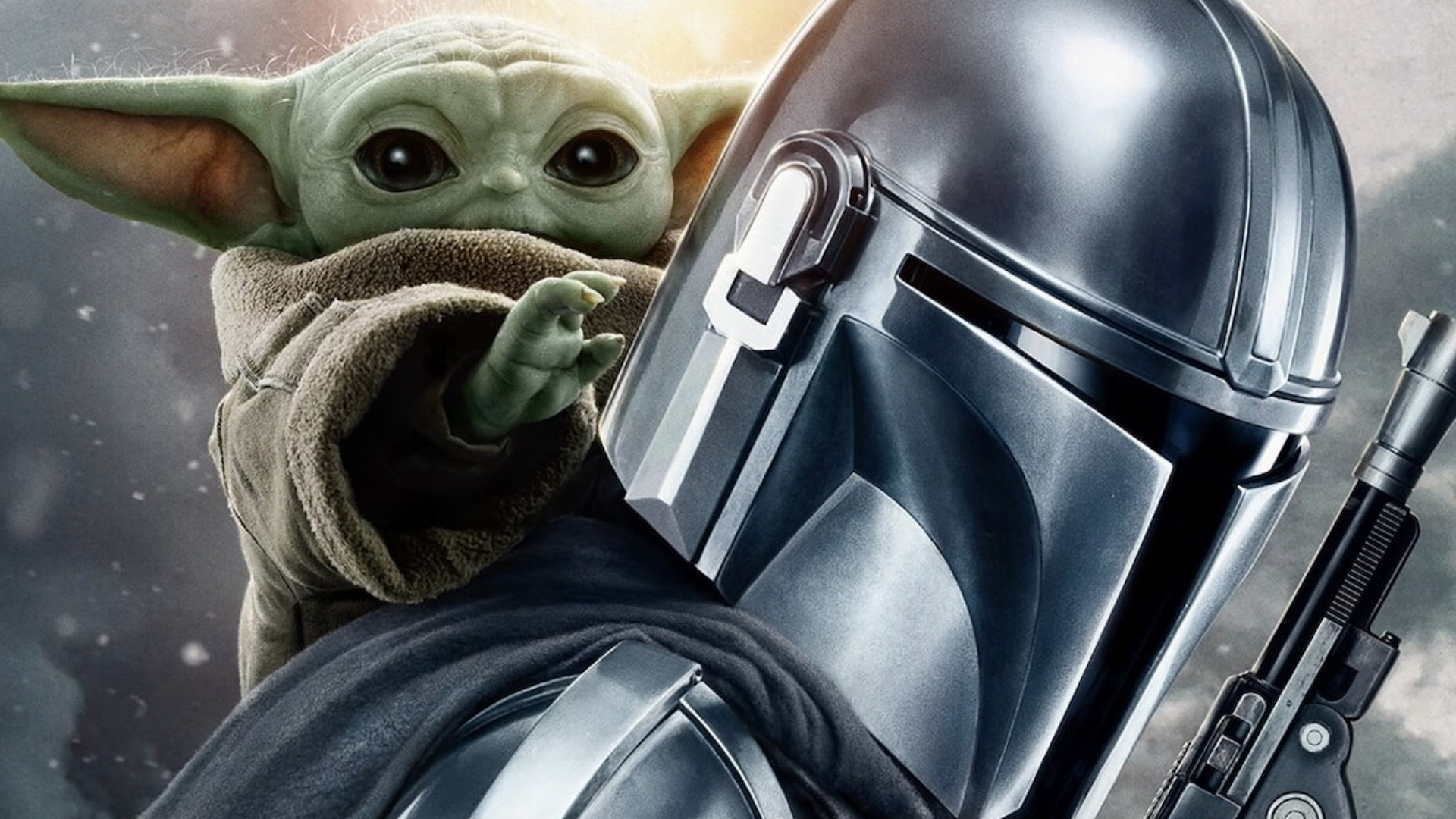
This move sends a troubling signal: Disney may prioritize theatrical blockbusters over the long-form storytelling that made Mandalorian a hit. If successful, similar transfers could happen with other Disney+ shows (e.g., Ahsoka, Andor), sacrificing narrative depth for box office revenue. Conversely, if the film underperforms, it could damage the trust in future streaming-to-screen adaptations. The streaming platform has become a safe haven for experimental, character-driven Star Wars content. By pulling Mandalorian into theaters, Disney risks homogenizing its output and stifling the creativity that fed the show's success. The long-term health of the franchise may hinge on whether this one film respects the TV format or crushes it.
6. What should the creators have done instead of a theatrical release?
Rather than a film, the best path would have been additional seasons—or even a limited series—on Disney+. This preserves the episodic rhythm and allows for deeper exploration. Alternatively, a stand-alone film set in the same universe but following different characters could expand the lore without recycling Din and Grogu. If the goal was to give these characters a cinematic sendoff, a streaming movie (like Hamilton or Soul) would maintain the intimate feel while reaching a wide audience. By forcing them into theaters, creators risk diluting what made The Mandalorian a phenomenon. Fans have already proven they value quality over scale; let the story breathe on its own terms.